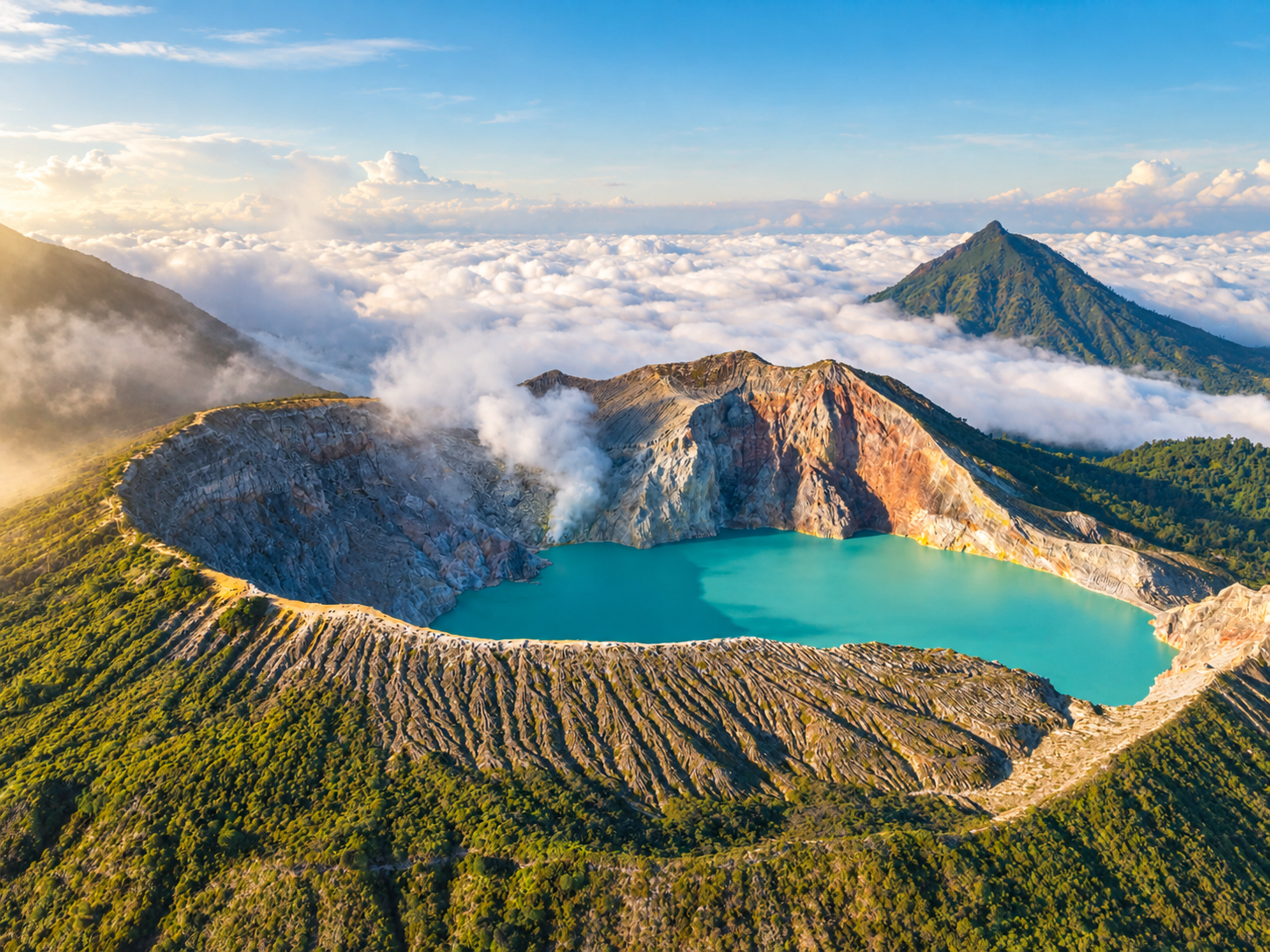



The ultimate grand expedition through the heart of the Indonesian archipelago. Spanning 15 immersive days, this overland journey links Java’s major historical, cultural, and natural landmarks-from Jakarta to Bogor, Bandung, Pangandaran Beach, Dieng Plateau, Borobudur, Yogyakarta, Solo, Malang, Mount Bromo, and Kalibaru plantation estates-before crossing the strait into Bali. Designed for travelers seeking an all-encompassing Grand Java experience.
Activities:
Itinerary Details:
Arrive at Jakarta International Airport, the main gateway to Indonesia’s capital city. Upon arrival, our team will welcome you and assist with your transfer to the hotel, giving you a smooth start to your Grand Java-Bali Overland journey.
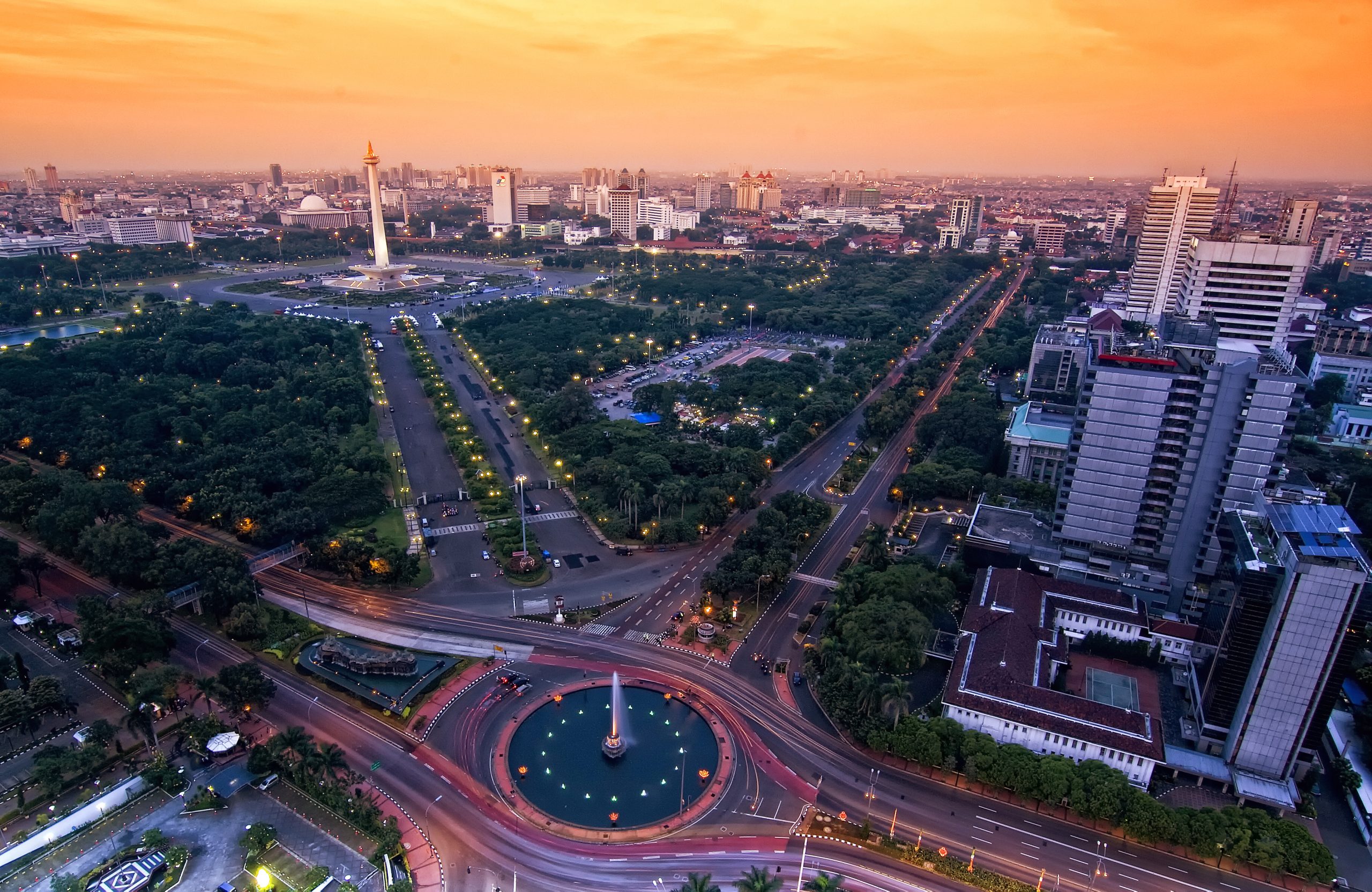
Jakarta is a lively and diverse city where modern developments stand alongside historic neighborhoods, traditional markets, and colonial-era landmarks. As Indonesia’s largest city, it offers an early glimpse into the country’s mix of cultures, people, and urban life.
After checking in, enjoy a relaxed evening at the hotel and take some time to rest. This easy first day allows you to recover from your journey and prepare for the upcoming overland adventure through Java and Bali.

Activities:
Itinerary Details:
Begin the day exploring Jakarta’s historical side, starting at Sunda Kelapa Port, one of the city’s oldest harbors and an important part of its maritime history. Continue to Fatahillah Museum in the Old Town area, housed in the former Batavia City Hall and featuring collections that tell the story of Jakarta from its early history through the colonial period.
The journey then continues to Taman Mini Indonesia Indah (TMII), a large cultural park in East Jakarta that offers an overview of Indonesia’s diverse traditions and regional architecture. Visitors can see traditional houses representing different parts of the country, along with museums and cultural attractions that provide a glimpse into Indonesia’s heritage.
After exploring TMII, travel south towards Bogor, leaving the busy capital behind as the surroundings gradually become greener. Upon arrival, check into your hotel and take some time to settle in and enjoy a more relaxed atmosphere in Bogor.
Activities:
Itinerary Details:
Begin the journey in Bogor with a visit to the historic Bogor Botanical Gardens, a large tropical garden known for its extensive collection of plants and its long connection with botanical research. The garden offers a peaceful setting in the heart of the city, with wide green spaces, mature trees, and views of some of Indonesia’s tropical plant diversity.
Continue towards Puncak Pass, a scenic mountain route where the landscape gradually changes into rolling hills and tea plantations. Along the way, visit a traditional tea factory to learn more about how locally grown tea leaves are processed. The cool mountain air and green plantation views provide a different atmosphere from the busy cities of West Java.
The journey then continues to Bandung, where the cultural character of West Java comes to life at Saung Angklung Udjo. Founded in 1966, this cultural centre is dedicated to preserving Sundanese arts, especially angklung, a traditional bamboo musical instrument. Visitors can enjoy a live performance featuring angklung and other Sundanese traditions, offering a closer look at the region’s music and cultural heritage.
Activities:
Itinerary Details:
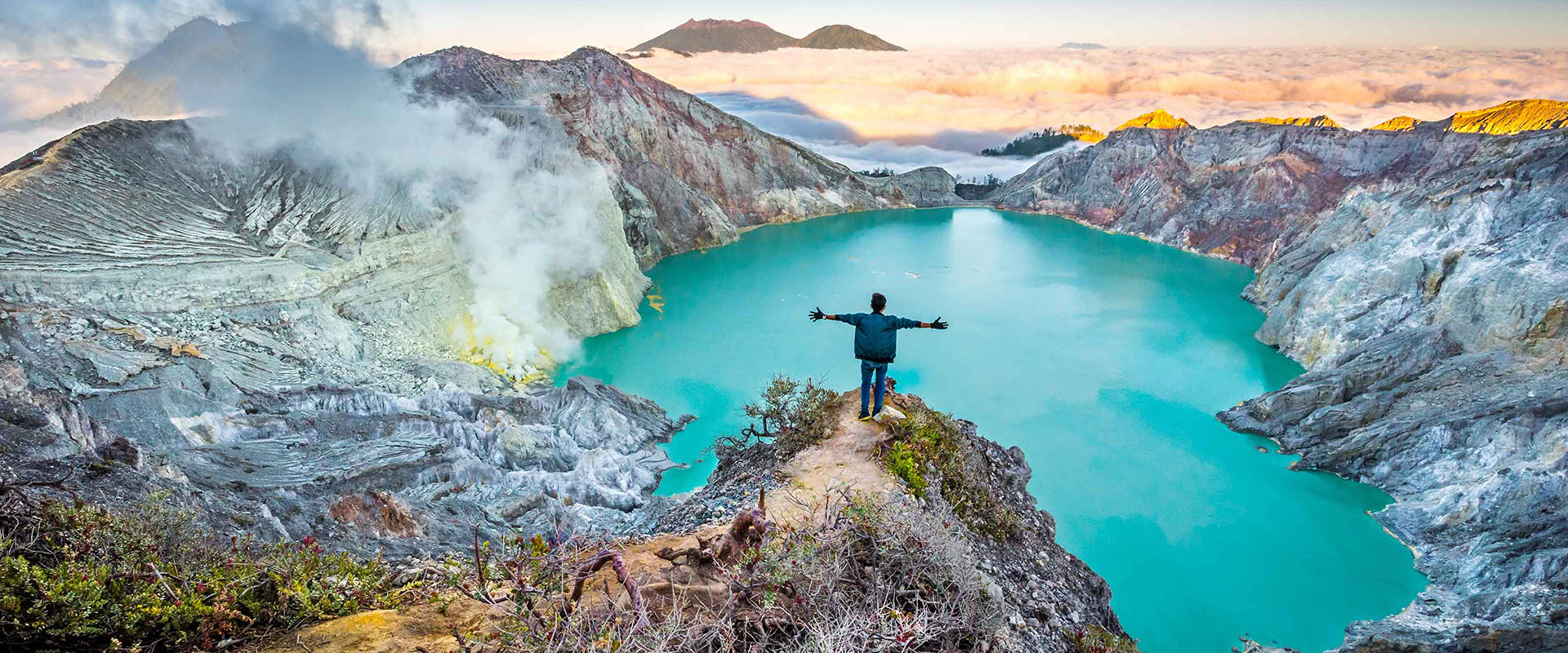
Start the day by exploring Kawah Putih, a striking volcanic crater lake known for its pale turquoise water and surrounding white volcanic terrain. Located in the highlands of Ciwidey, the area has a cool mountain atmosphere and a landscape shaped by volcanic activity. Nearby, Rengganis Crater offers another glimpse of the region’s volcanic character, with natural geothermal features and a quieter setting.
Continue to Lake Patenggang, a scenic mountain lake surrounded by tea plantations and green hills. The calm waters and cool highland air make it a pleasant place to take a break and enjoy the natural surroundings. The journey then continues to Nimo Hot Springs, where you can relax in naturally heated water while taking in the mountainous landscape of the Ciwidey area.
In the afternoon, return to Bandung with the rest of the day free for leisure. You may spend the remaining time exploring the city at your own pace, visiting local cafés, shopping areas, or simply resting after a day in the highlands.
Activities:
Itinerary Details:
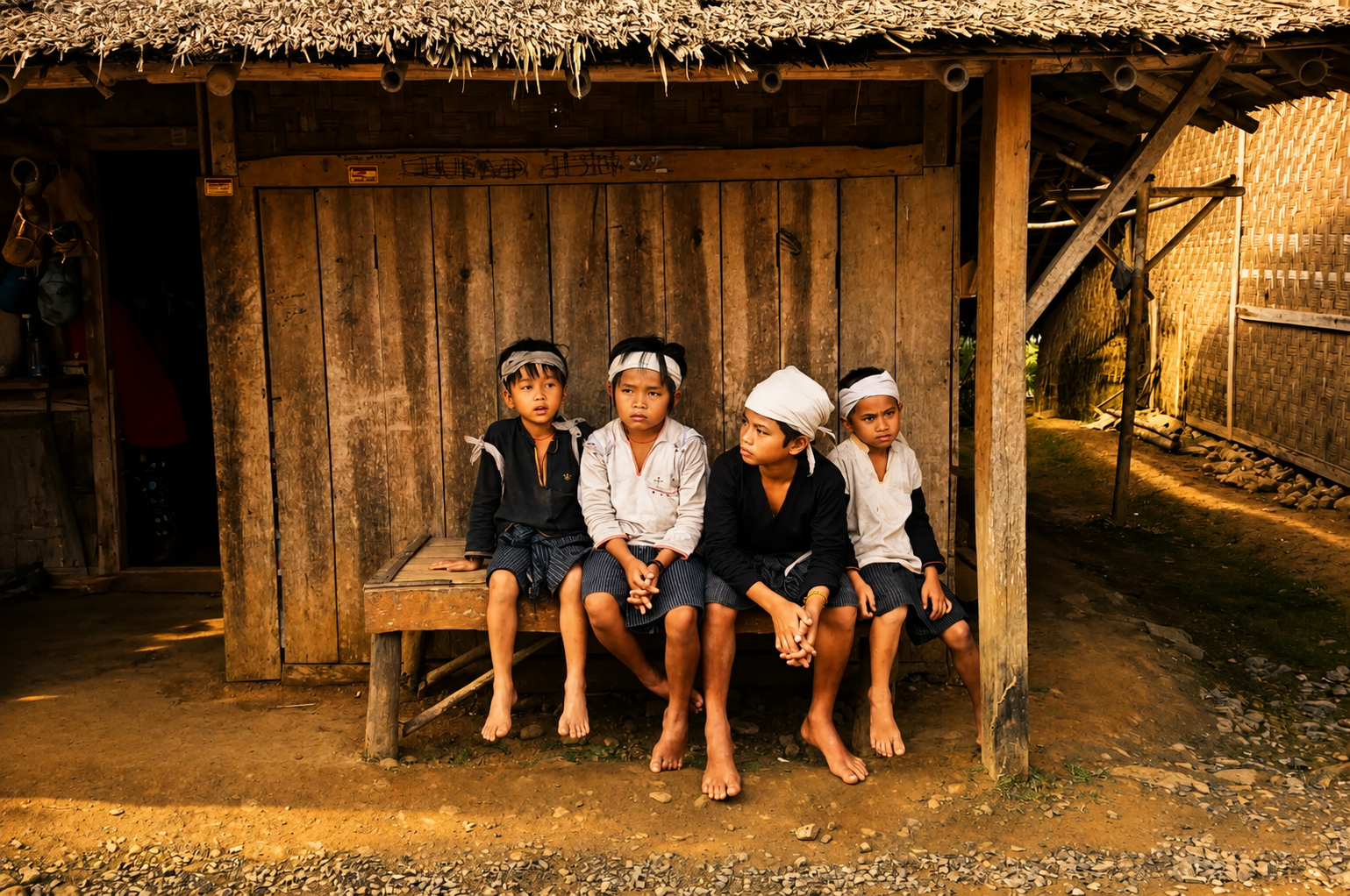
Drive toward Garut and visit Kampung Naga, a traditional Sundanese village located in a green valley in West Java. The village is known for its strong connection to ancestral customs and its carefully preserved traditional way of life. Surrounded by rice fields, forests, and the Ciwulan River, Kampung Naga offers a closer look at how local traditions continue to shape everyday life.
Take time to explore the village and observe its distinctive traditional houses, which are built using local materials and arranged according to long-established Sundanese principles. The peaceful setting and simple architecture reflect the community’s respect for nature and their efforts to maintain their cultural heritage. The visit provides an opportunity to experience a different side of West Java beyond its cities and modern developments.
Continue your journey south toward Pangandaran, a coastal destination on the southern coast of West Java facing the Indian Ocean. Once a small fishing area, Pangandaran is now known for its beaches, coastal scenery, and relaxed atmosphere. Upon arrival, check into your beach resort and enjoy some time by the coast, with the opportunity to experience the sea, local surroundings, and the changing colors of the evening sky.
Activities:
Itinerary Details:
Explore the emerald waters of Green Canyon, one of Pangandaran’s well-known natural attractions, by taking a scenic boat ride through the narrow canyon. Surrounded by green cliffs and tropical vegetation, the journey offers a peaceful way to experience the area’s natural landscape.
Continue by visiting local cottage industries where traditional products such as palm sugar and crackers are made. These small-scale businesses offer a glimpse into the everyday skills and traditions of the local community, while showing how local ingredients are turned into familiar regional products.
At the Dahon natural dyes project, take part in a simple mangrove planting activity and learn about the use of natural materials in traditional dye-making. End the day along Pangandaran Beach, where you can relax by the coast and enjoy the changing colors of the sky as the sunsets over the beach.
Activities:
Itinerary Details:
Cross from West Java into Central Java, where the landscape gradually changes from open paddy fields to small villages known for traditional ceramic crafts. The journey continues through the countryside, offering a closer look at the daily life and rural scenery of Central Java.
As you approach Wonosobo, the road rises into the highlands surrounded by mountain landscapes and green agricultural areas. Located at around 700–800 metres above sea level, Wonosobo is known for its cooler climate compared with the lowland cities of Java.
Upon arrival, check into your hotel and take some time to enjoy the refreshing mountain atmosphere. Wonosobo is also a convenient base for exploring the Dieng Plateau, one of the region’s best-known highland areas, with volcanic scenery, lakes, and agricultural terraces.

Activities:
Itinerary Details:
Dieng Plateau sits at around 2,000 meters above sea level and is known for its cool mountain climate, volcanic landscape, and highland scenery. Explore the ancient Hindu temples of the Dieng complex, built between the 7th and 8th centuries, offering a glimpse into the early history of Java.
Continue to Sikidang Crater, an active volcanic area where steam and volcanic gases rise from the ground. Nearby, Telaga Warna is known for its changing lake colors, influenced by minerals and sunlight. Together, these sites show the unique volcanic character of the Dieng highlands.
After exploring Dieng, travel down through the winding mountain roads and terraced landscapes toward Magelang. The journey gradually changes from the cool highlands to a greener, lower landscape. Arrive in the Borobudur area and check into your hotel, conveniently located near the historic Borobudur Temple.

Activities:
Itinerary Details:
Explore Borobudur Temple, one of Indonesia’s most important cultural landmarks and a remarkable example of ancient Buddhist architecture. Built in the 9th century, the temple features several levels decorated with detailed stone reliefs and bell-shaped stupas, offering a closer look at the craftsmanship and Buddhist traditions of Java.
Take time to walk around the temple and appreciate the surrounding landscape, where views extend across the green countryside and, on clear days, toward the volcanoes of Central Java. The combination of historic architecture and open natural scenery gives Borobudur a distinctive atmosphere that is best enjoyed at a relaxed pace.
Continue by road to Yogyakarta, a city known for its Javanese culture, traditional arts, and historic landmarks. Upon arrival, check in to your hotel and settle in for a two-night stay, allowing time to experience more of the city and its surroundings.
Activities:
Itinerary Details:
Explore the cultural heart of Yogyakarta with a visit to the Sultan’s Palace (Keraton Yogyakarta), the traditional residence of the Sultan and an important part of the city’s Javanese heritage. Continue to Taman Sari, also known as the Water Castle, a former royal garden with pools, courtyards, and historic underground passages.
Yogyakarta is also known for its traditional craftsmanship. Visit local workshops where artisans create silverware and batik using techniques passed down through generations. These visits offer a closer look at the creative traditions that remain part of everyday life in the city.
In the afternoon, enjoy some free time along Jalan Malioboro, one of Yogyakarta’s best-known streets, lined with shops, food stalls, and local activity.
Optional Activity: In the evening, you may also attend the Ramayana Ballet, a traditional performance combining Javanese dance, music, and storytelling.
Activities:
Itinerary Details:
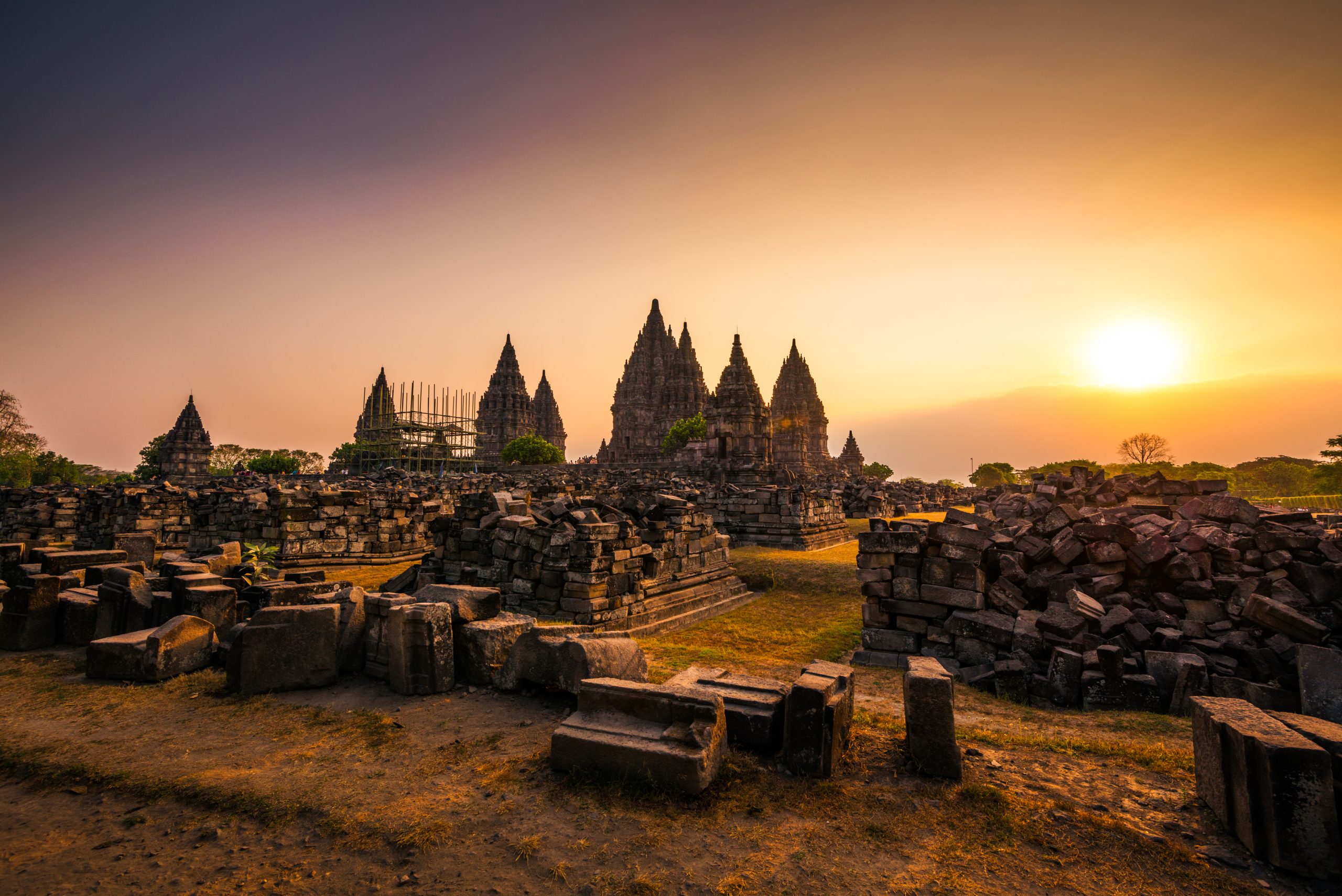
On the way to Solo, visit Prambanan Temple, one of Indonesia’s most important Hindu temple complexes. Dedicated to the Hindu trinity of Shiva, Vishnu, and Brahma, the temple is known for its tall and detailed stone structures. The main temple is dedicated to Shiva, making it the most prominent part of the complex.
In Solo, explore Mangkunegaran Palace, a historic Javanese palace that reflects the traditions and architecture of the Mangkunegaran royal family. Continue to Pasar Gede, Solo’s main traditional market, where you can see local daily life and find a variety of traditional food, spices, and local products.
Later, take some time to explore Solo’s smaller local markets and flea markets, where the atmosphere is more informal and focused on everyday goods and second-hand items. After exploring the city, check into your hotel in Solo and enjoy a relaxed evening in the city.
Activities:
Itinerary Details:
The journey begins in Solo and continues across East Java toward Malang, passing through changing landscapes and local towns along the way. As you travel south and east, the scenery gradually shifts from the plains around Solo to the cooler highland surroundings of Malang.
In Malang, visit Singosari Temple, a historic Hindu temple dating from the Singhasari Kingdom. Continue to Jodipan Colorful Village, a lively neighborhood known for its brightly painted houses along the Brantas River, offering a different view of everyday life in the city. The journey also includes a visit along Ijen Boulevard, one of Malang’s well-known streets, lined with trees and colonial-era buildings.
After exploring some of Malang’s distinctive sights, continue to your hotel and check in. The evening is free to rest and enjoy the relaxed atmosphere of Malang before the next part of the journey.

Activities:
Itinerary Details:
Visit Tumpak Sewu Waterfall, one of East Java’s most impressive natural landmarks. Surrounded by steep green cliffs, the waterfall drops in several streams into a deep valley, creating a wide and dramatic view. It is often called the “Niagara of Indonesia” because of its broad curtain of water.
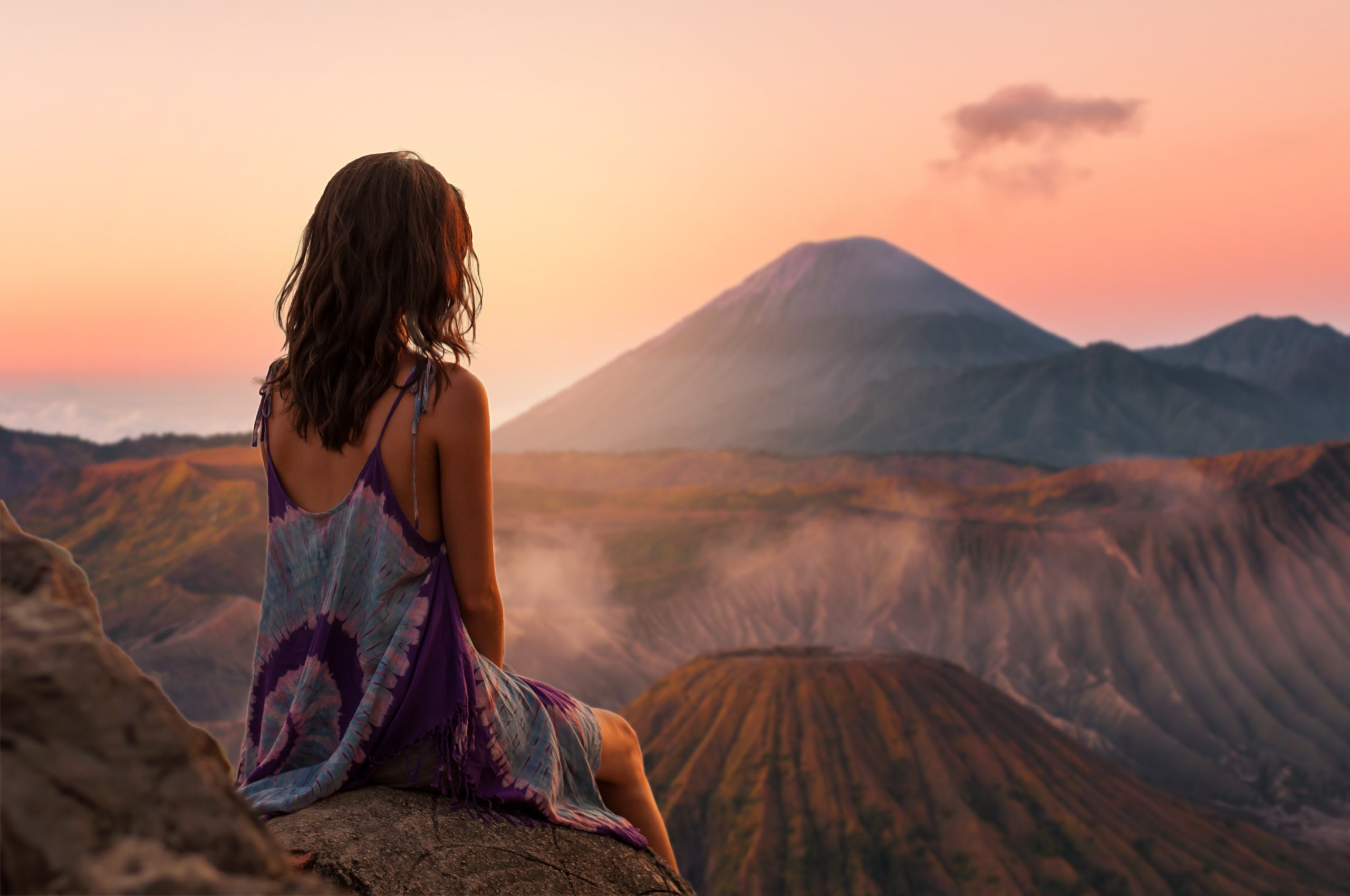
Continue the journey toward the Tengger Caldera, a vast volcanic landscape surrounding Mount Bromo. The road gradually climbs through mountain scenery, with cooler air and changing views along the way. Upon arrival, check into your mountain lodge and take some time to rest.
An early start awaits the next morning, with a 03:30 AM sunrise ride toward the Mount Bromo viewpoint. The journey in the darkness is part of the experience, as the surrounding volcanic landscape slowly becomes visible with the first light of day.

Activities:
Itinerary Details:
Start the day early at around 03:30 AM with a 4WD Jeep ride to Mount Penanjakan, one of the well-known viewpoints for watching sunrise over Mount Bromo and the surrounding volcanic landscape. As the sky becomes brighter, the view reveals Mount Bromo, Mount Batok, and the larger Tengger caldera, creating a distinctive landscape of East Java.
After sunrise, continue by Jeep across the Sea of Sand, a wide volcanic plain surrounding Mount Bromo. From the parking area, continue on foot toward the crater rim, where you can look into the active volcanic crater and see the rugged landscape around it. The walk offers a closer experience of the volcanic environment that defines Bromo Tengger Semeru National Park.
After returning and having breakfast, continue the journey through the countryside of East Java toward Kalibaru Plantation. The scenery gradually changes from volcanic terrain to greener landscapes, with rural villages, plantations, and agricultural areas along the way. Kalibaru is known for its plantation landscape, particularly coffee, cocoa, rubber, and other tropical crops.
Activities:
Itinerary Details:
Start your morning with a walking tour through the plantations of Kalibaru, a rural area in East Java known for its agricultural landscape. Along the way, see how local farmers cultivate rubber, cocoa, coffee, and various spices, while learning about the traditional farming practices that shape the area.
Continue by road to Ketapang Harbour, the main ferry port connecting East Java with Bali. From here, cross the Bali Strait by ferry, enjoying views of the surrounding sea and the coastline as you make your way toward Bali.
Upon arrival in Bali, continue by private transfer to your designated hotel. This marks the final journey of your 15-day expedition, bringing together the rural landscapes, local experiences, and diverse destinations explored along the way.
Silver Class (4-Star Hotel)
| 2 pax | Rp47,046,247 |
| 3–4 pax | Rp38,598,566 |
| 5–6 pax | Rp32,106,619 |
| 7–9 pax | Rp31,536,197 |
| Single Supplement | Rp11,870,214 |
Gold Class (5-Star Hotel)
| 2 pax | Rp52,370,187 |
| 3–4 pax | Rp43,922,506 |
| 5–6 pax | Rp37,430,559 |
| 7–9 pax | Rp36,860,137 |
| Single Supplement | Rp17,194,154 |