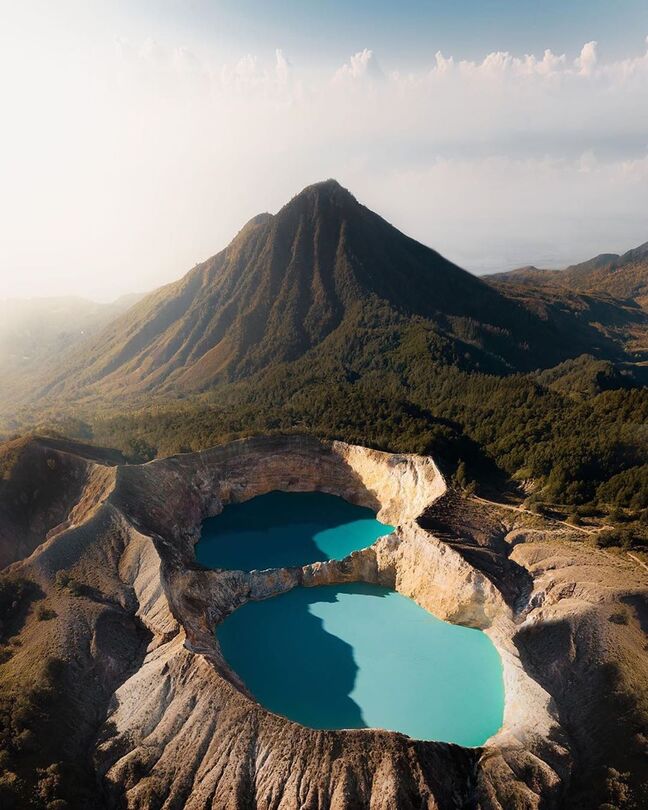


Sumbawa Island is one of the main islands in West Nusa Tenggara, located between Lombok and Flores. The island is known for its varied landscapes, from rugged mountains and dry hills to coastal areas, small islands, and long stretches of beaches. Compared with nearby Bali and Lombok, Sumbawa has a more rural character, with many communities still closely connected to traditional agriculture, fishing, and local customs.
Sumbawa has a long history shaped by several local kingdoms and communities. Among the most prominent were the Sumbawa Sultanate in the western part of the island and the Bima Sultanate in the east. These kingdoms played an important role in the region's trade and cultural development. The island was also influenced by maritime connections with other parts of Indonesia and neighboring regions.
The island's cultural diversity can still be seen today in its traditional villages, local architecture, languages, ceremonies, and crafts. The western and eastern parts of Sumbawa also have distinct cultural characteristics, reflecting the island's history of different local communities and kingdoms.
Sumbawa offers a wide range of natural and cultural attractions. In the western part of the island, Moyo Island is known for its forested landscape, beaches, coral reefs, and waterfalls, while Satonda Island, near the north coast, is notable for its saltwater crater lake formed inside an ancient volcanic caldera. Both destinations are commonly visited as part of island and marine journeys around Sumbawa.
Further east, Tambora National Park protects the area around Mount Tambora, the volcano famous for its massive eruption in 1815. The eruption had a major impact on the surrounding region and is an important part of Sumbawa's natural and geological history. On the southern coast, Lakey Beach in Dompu is well known among surfers for its distinctive waves. Sumbawa is also home to traditional settlements and cultural sites, including Desa Adat Mantar, a traditional village in the highlands of West Sumbawa that offers views over the surrounding landscape.
Sumbawa's cuisine reflects the island's agricultural, coastal, and pastoral traditions. One of its best-known dishes is Sepat, a local fish dish prepared with a savory and slightly sour sauce and commonly enjoyed with rice. Another popular specialty is Singang, a fish dish cooked with spices and a fresh, slightly sour flavor.
Visitors can also try Susu Kuda Liar, or wild horse milk, which is traditionally associated with Sumbawa and is produced in several parts of the island. Local food also includes grilled seafood, corn-based dishes, and various traditional snacks. The ingredients and preparation methods can vary between different areas of Sumbawa.
Sumbawa can be reached by air, sea, and land. The island has several airports, including Sultan Muhammad Kaharuddin Airport in Sumbawa Besar, Bima Airport in the eastern part of the island, and Sultan Muhammad Salahuddin Airport serving Bima. Flight connections are available from major cities in Indonesia, with routes depending on the current airline schedule.
Travelers can also reach Sumbawa from Lombok by road and sea. A common route is to travel across Lombok and take the ferry from Kayangan Port to Poto Tano Port in West Sumbawa. From Poto Tano, visitors can continue by car or other road transportation to destinations across the island. This makes Sumbawa suitable for longer overland journeys combining Lombok, Sumbawa, and, in some itineraries, Flores.