

Overview Unlike its volcanic neighbors, Sumba is a unique limestone island characterized by rolling savannahs, dramatic rugged coastlines, and a deeply preserved ancient culture. Known as the "Land of the Marapu," Sumba offers travelers a rare glimpse into a living megalithic era where traditional high-roofed clan houses, ancestral tombs, and sacred rituals remain a core part of daily life. It is the perfect destination for high-end adventurers, culture enthusiasts, and travelers seeking an untouched tropical paradise.
Living Megalithic Culture: Visit centuries-old traditional villages like Ratenggaro and Prajing, where locals still practice the ancient animist Marapu religion and live in iconic thatched-roof houses.
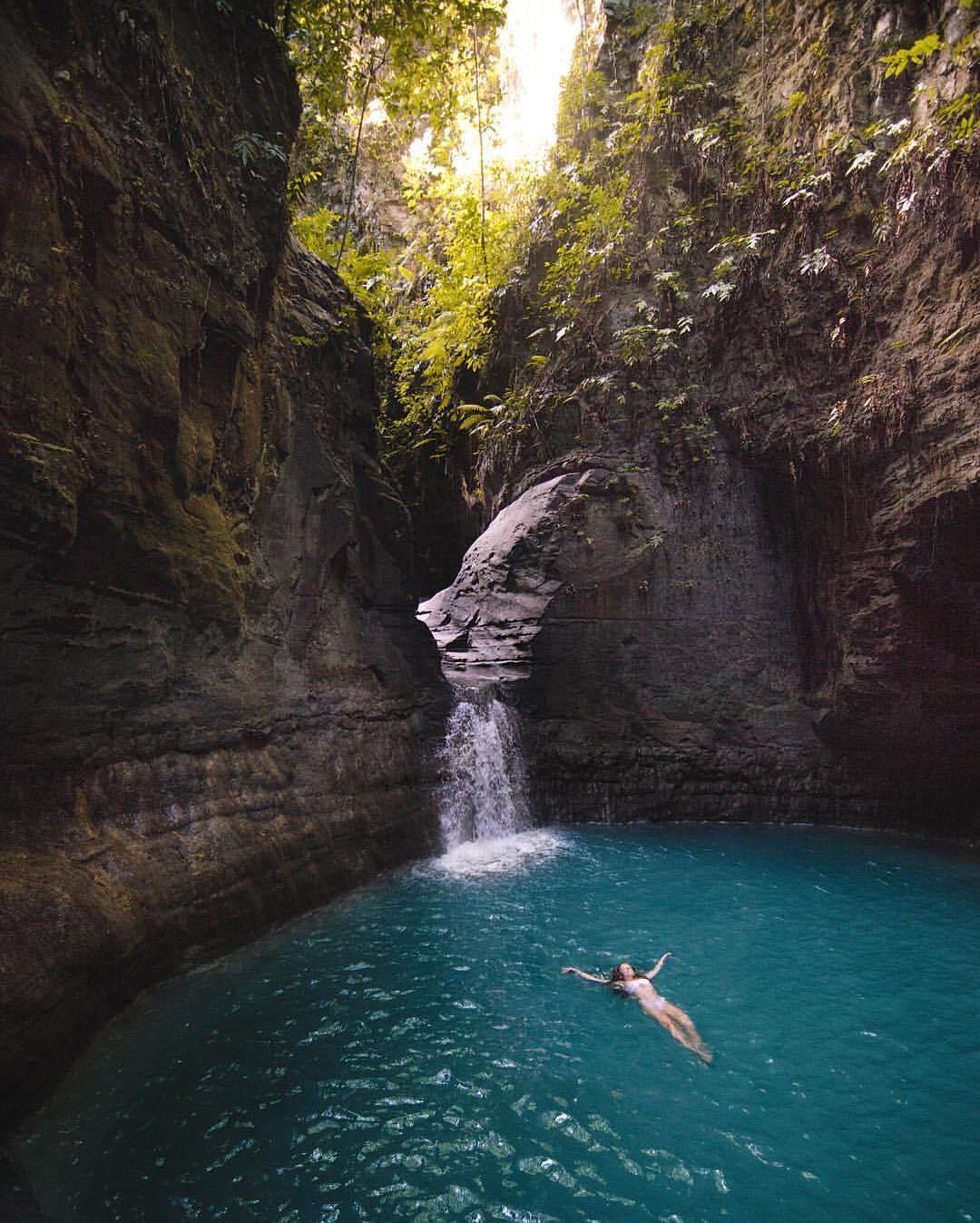
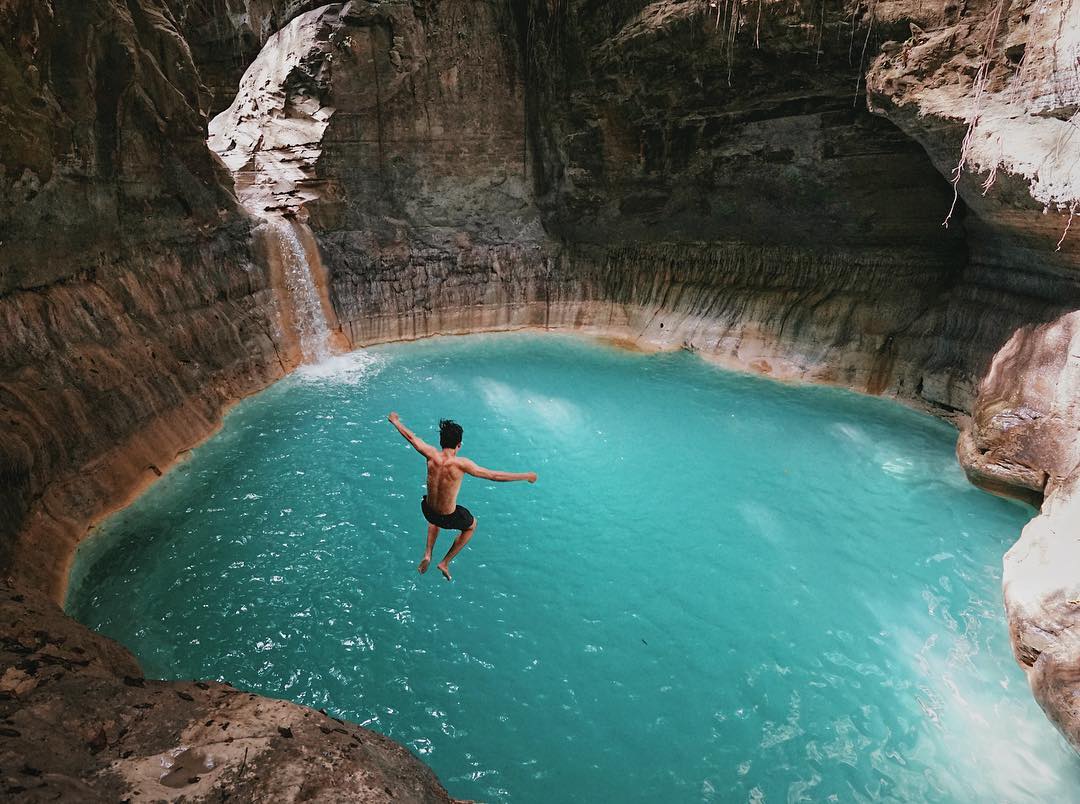
Surreal Natural Wonders: Swim in the crystal-clear, neon-turquoise waters of Weekuri Lagoon, a natural saltwater tidal pool separated from the ocean by a majestic cliff.
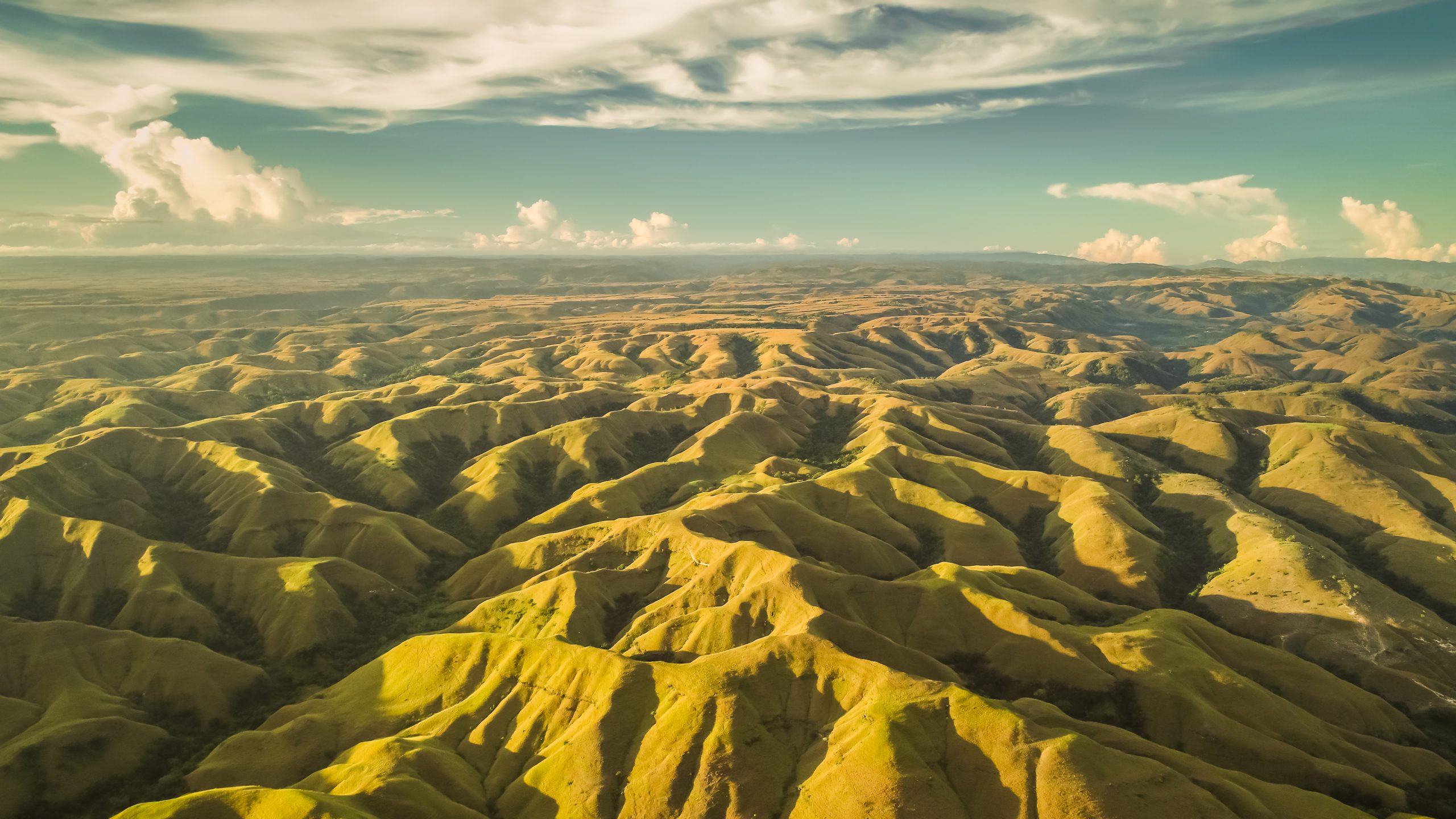
The Wild Horses & Savannahs: Witness Sumba’s famous sandalwood horses roaming freely across the vast golden hills of Wairinding and Tenau, which transform into lush green velvet during the rainy season.
Exotic Coastlines: Relax on pristine, crowd-free beaches like Mandorak or watch the iconic dancing mangrove trees at Walakiri Beach during a breathtaking sunset.
Pasola Festival: (Seasonal) Witness the world-renowned ritual spear-fighting tournament on horseback, held annually around February or March to welcome the harvest season.
Sumba is divided into two main regions for travel planning:
West Sumba (Tambolaka / TMC Airport): The gateway to cultural villages, Weekuri Lagoon, luxury resorts (like Nihi Sumba), and rugged surf beaches.
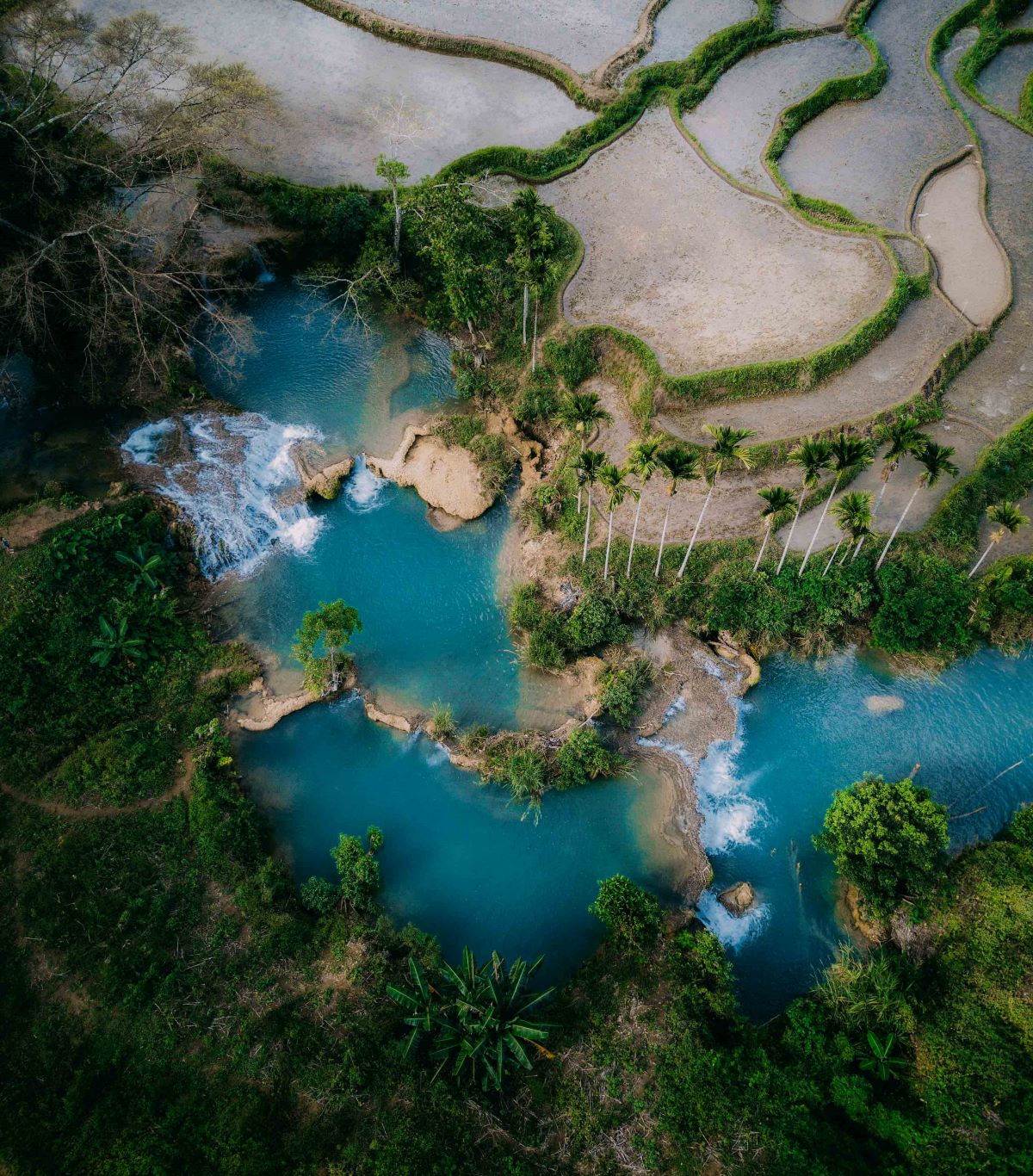
East Sumba (Waingapu / WGP Airport): The gateway to expansive savannah hills, majestic waterfalls (like Waimarang and Tanggedu), and the center of the world-famous Tenun Ikat (handwoven textiles).
Travel Tip: For a complete experience, we highly recommend an Overland Sumba Tour (starting from Tambolaka in the West and finishing in Waingapu in the East, or vice versa), which typically takes 4 to 5 days.
Dry Season (May to October): Best for trekking, photography, and exploring. The landscape turns into a beautiful golden-brown savannah resembling the African wild.
Green Season (November to April): The hills turn into vibrant, lush green fields. Ideal for travelers who prefer emerald landscapes and fewer crowds.