

Sabu Island is a small island in East Nusa Tenggara, part of Sabu Raijua Regency. Located between the islands of Timor and Sumba, Sabu is known for its dry landscape, traditional culture, coastal scenery, and long-established weaving traditions. The island offers a quieter travel experience, where visitors can explore local villages, beaches, traditional crafts, and distinctive natural formations while learning about the culture of the Sabu people. (Indonesia Travel)
Sabu has a strong cultural identity shaped by the traditions of the Sabu people, or Do Hawu. Traditional knowledge, customs, and social practices continue to play an important role in everyday life. One of the most visible expressions of this heritage is Sabu ikat weaving, which is traditionally produced by local weavers and used not only as clothing but also in important stages of community life and traditional ceremonies. (Indonesia Travel)
The island is also home to Namata Traditional Village, one of the cultural attractions officially recognized in East Nusa Tenggara. Traditional settlements and cultural sites such as Namata provide an opportunity to see aspects of Sabu's architectural traditions and learn more about the island's local customs. Traditional culture remains an important part of the destination, making Sabu different from many other beach-focused destinations in eastern Indonesia. (PPID Utama NTT)
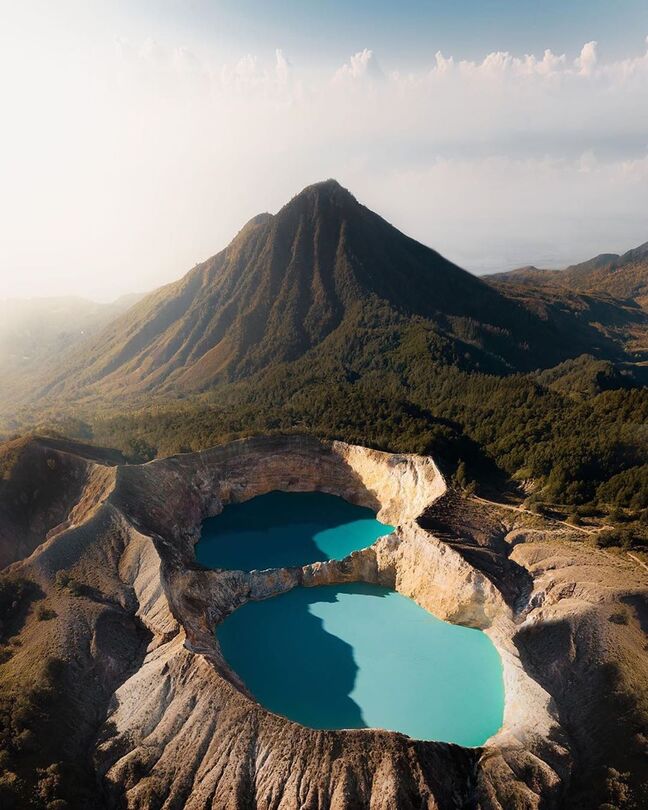
One of Sabu's most distinctive natural attractions is Kelabba Maja, located in Hawu Mehara District. The area features hills and cliffs with naturally layered shades of red, brown, white, and grey, created through long-term geological processes and erosion. The landscape is also culturally significant to the local community, with certain areas regarded as sacred. Visitors can explore the landscape, enjoy the viewpoints, and photograph its unusual rock formations while respecting local customs. (Indonesia Travel)
Sabu also has several coastal destinations worth exploring. Napae Beach in West Sabu is known for its white sand and relatively easy access, while Wuihebo Beach is recognized for its white sand and waves that can be suitable for surfing. Other attractions include Bugu Beach, Liemadira Cave, and the Eimada Bubu natural spring. Beyond the natural scenery, visiting local villages and observing traditional weaving can provide a closer look at everyday life on the island. (PPID Utama NTT)
Local food in Sabu reflects the dry environment and agricultural traditions of the island. Corn and other locally grown crops have traditionally played an important role in the diet of communities across the region. Visitors may also encounter local preparations using fish and other ingredients available along the island's coast.
Food experiences in Sabu are often closely connected with the local community rather than formal dining establishments. Visiting a local village or joining a community-based experience can therefore provide an opportunity to taste simple regional dishes while learning more about the island's traditional way of life.
Sabu Island can be reached from Kupang by air or sea. Flights from Kupang arrive at Tardamu Airport, while sea connections operate toward Seba, the capital of Sabu Raijua Regency. Sabu can also be reached by sea from other parts of East Nusa Tenggara, including routes connected with Ende and East Sumba. (Indonesia Travel)
Once on the island, transportation between destinations is mainly by road. Rental cars with drivers, motorcycles, and local travel services are practical options, particularly when visiting places such as Kelabba Maja and other attractions outside Seba. Some roads can be challenging, especially in more remote areas, so travel times may vary depending on road and weather conditions. (Indonesia Travel)