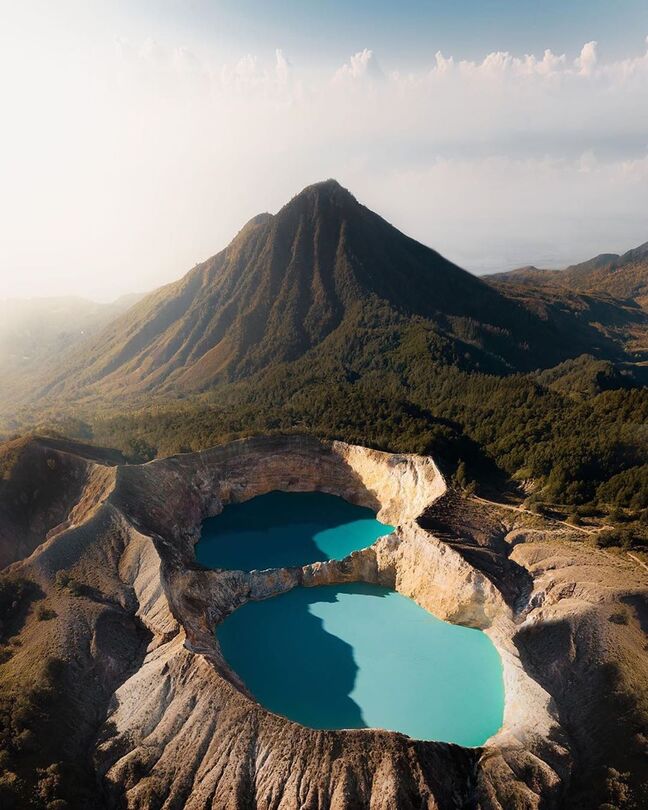


Java is Indonesia’s most populous island and one of the country’s main cultural, historical, and economic centers. Located between Sumatra and Bali, Java is known for its diverse landscapes, from volcanic mountains and fertile highlands to coastal areas, rice fields, and large cities. The island is also home to many important cultural sites, traditional communities, and historic cities, making it a destination where nature, history, and everyday Indonesian life can be experienced together.
Java has a long and complex history shaped by Hindu-Buddhist kingdoms, Islamic sultanates, European colonial influence, and the development of modern Indonesia. Ancient kingdoms such as Mataram, Singhasari, and Majapahit left important cultural and architectural legacies across the island. Some of Java's best-known historical monuments, including Borobudur and Prambanan, date from the Hindu-Buddhist period and reflect the island's early religious and artistic traditions.
From the 16th century onward, Islam became increasingly influential, particularly through coastal trading communities and Islamic sultanates. Java later became an important center of Dutch colonial administration, with cities such as Batavia, now Jakarta, developing into major urban and trading centers. Today, Java remains an important part of Indonesia's cultural identity, with Javanese, Sundanese, and other communities maintaining their languages, traditions, arts, and local customs.
Java offers a wide range of destinations with different landscapes and cultural characteristics. Jakarta, on the western part of the island, is Indonesia's largest metropolitan area and a major center of business, government, and modern urban life. Yogyakarta is known for its traditional Javanese culture, royal heritage, and proximity to important temples such as Borobudur and Prambanan. Further east, Surabaya is a major port city with an important role in Indonesia's modern history.
The island is also known for its volcanic landscapes. Mount Bromo in East Java is part of Bromo Tengger Semeru National Park and is surrounded by a vast volcanic sand sea and highland scenery. Mount Ijen, also in East Java, is known for its volcanic crater lake and sulfur-mining activities. In Central and West Java, travelers can explore mountain areas, tea plantations, waterfalls, beaches, and rural villages. This variety allows Java to be explored through cultural, historical, nature, and adventure experiences.
Java has one of the most diverse culinary traditions in Indonesia, with each region developing its own flavors and specialties. Javanese cuisine is generally known for its use of aromatic spices and, in many areas, a slightly sweet flavor. Popular dishes include gudeg from Yogyakarta, made primarily from young jackfruit, rawon from East Java, a dark beef soup flavored with keluak, and soto, a family of traditional soups found in many parts of the island.
Other well-known foods include nasi pecel, served with vegetables and spicy peanut sauce, gado-gado, and tempeh, which has deep roots in Javanese food culture. In major cities and traditional markets, visitors can also find many local snacks and street foods. Exploring Java's food is therefore closely connected to discovering the character and traditions of each region.
Java is well connected to other parts of Indonesia and to international destinations. For international travelers, Soekarno-Hatta International Airport in Jakarta and Yogyakarta International Airport are among the main gateways to the island. Juanda International Airport in Surabaya is another important entry point, particularly for travelers visiting East Java.
Traveling around Java is possible by domestic flights, trains, buses, private vehicles, and local transportation. The railway network connects many major cities, including Jakarta, Bandung, Yogyakarta, Solo, Surabaya, and other destinations. For longer journeys, trains provide a practical way to experience the changing landscapes of Java, while private vehicles are useful for reaching smaller towns, rural areas, mountain destinations, and places that are less accessible by public transport.