

Timor Island is one of the easternmost islands in the Indonesian archipelago and one of the main islands of East Nusa Tenggara. Unlike many other islands in the region, Timor is not part of Indonesia’s volcanic island chain and has a landscape shaped by its geological connection with Australia. The island is shared by two countries: the western part belongs to Indonesia, while the eastern part forms the independent country of Timor-Leste. In Indonesia, Kupang is the provincial capital of East Nusa Tenggara and an important gateway to the western part of the island. (Indonesia Travel)
Timor has a long history shaped by local kingdoms, traditional communities, trade, and European colonial influence. During the colonial period, the western part of the island came under Dutch influence, while the eastern part was controlled by Portugal. This historical division eventually contributed to the different political development of the two parts of Timor. Today, the border between Indonesia and Timor-Leste runs across the island, with Atambua serving as an important Indonesian town near the land border. (Indonesia Travel)
The island also has a strong cultural identity that can be seen in its traditional communities, ceremonies, architecture, and tenun ikat, a handwoven textile traditionally produced in many parts of Timor. Timorese weaving uses distinctive patterns and carries cultural meaning passed down through generations. In Kupang and other areas of West Timor, traces of Dutch and Portuguese history can also still be found alongside local traditions. (Indonesia Travel)
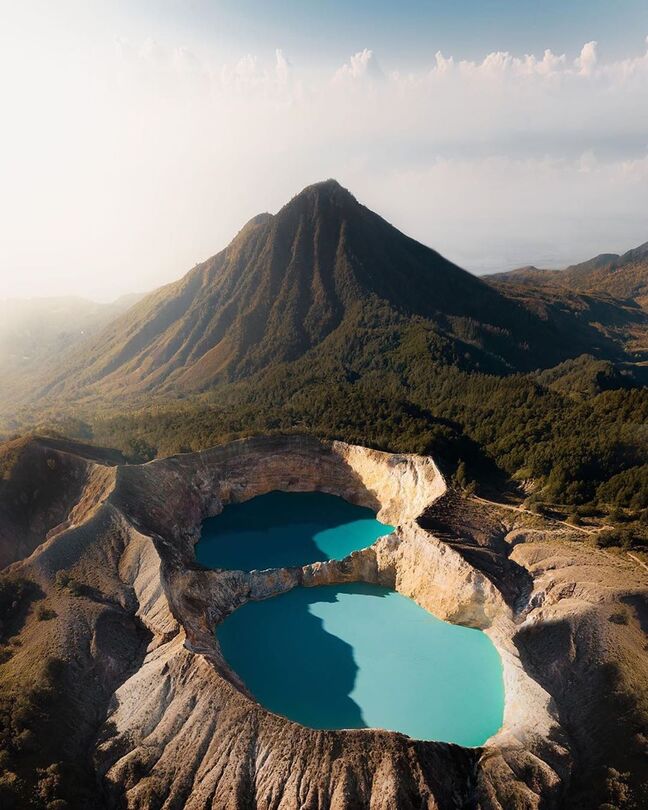
Timor offers a different landscape from many other destinations in East Nusa Tenggara, with dry hills, limestone formations, forests, coastal areas, and traditional villages. Kupang is a practical starting point for exploring the western part of the island, with attractions around the city and access to coastal and marine areas. The waters around Kupang also include places such as Kupang Bay and Kera Island, which are used for marine tourism and conservation activities. (Indonesia Travel)
Further inland, the highlands of West Timor provide a cooler environment and a different perspective of the island. Areas around Fatumnasi and Mount Mutis are known for their mountain landscapes, forests, traditional settlements, and rural atmosphere. Along the southern coast, places such as Oetune Beach offer wide sandy landscapes and views of the open Timor Sea. For travelers interested in culture, nature, and less-developed destinations, these areas provide opportunities to experience a side of Timor beyond its main cities.
Timor's cuisine reflects the dry climate, local agriculture, and traditional food culture of East Nusa Tenggara. One of the best-known dishes from the region is se'i, traditionally smoked meat that is commonly prepared with beef or pork and served with sambal. In Kupang, se'i has become one of the most recognizable local foods and can be found in many local eateries.
Other local foods include dishes based on corn, cassava, vegetables, and locally available ingredients. Corn has historically been an important food crop in Timor, particularly in areas where the dry climate makes rice cultivation more difficult. Visitors can also discover locally produced products and traditional foods in markets around Kupang and other towns across West Timor.
The main gateway to Indonesian Timor is El Tari International Airport in Kupang. The airport connects Kupang with several major cities in Indonesia, making air travel the most convenient option for visitors arriving from outside East Nusa Tenggara. From Kupang, travelers can continue by private car, rental vehicle, or local transportation to other parts of West Timor. (Indonesia Travel)
Timor can also be explored overland from Kupang toward towns such as Soe, Kefamenanu, and Atambua. Atambua is particularly important for travelers interested in the Indonesia–Timor-Leste border, as the Mota'ain border crossing connects Indonesian Timor with Timor-Leste. Travel times within the island can be relatively long because many destinations are separated by mountainous and rural areas, so a private vehicle or organized tour is generally practical for exploring West Timor. (Indonesia Travel)